An RRSP (Registered Retirement Savings Plan) is one of the most powerful tax-deferral tools available to Canadians — but the word "deferral" is key. Every dollar you eventually withdraw from your RRSP is counted as ordinary income in the year you take it, and the CRA wants its share before the money ever reaches your bank account. Understanding exactly how RRSP withdrawal taxation works in 2025 can mean the difference between a comfortable retirement and an unexpected tax bill that catches you off guard.
When you withdraw funds from your RRSP, the full amount is added to your taxable income for that calendar year — there is no special capital gains treatment, no dividend tax credit, and no splitting with a spouse (unless the funds come from a spousal RRSP after the required waiting period). This means a large lump-sum withdrawal can push you into a higher federal or provincial tax bracket without any warning.
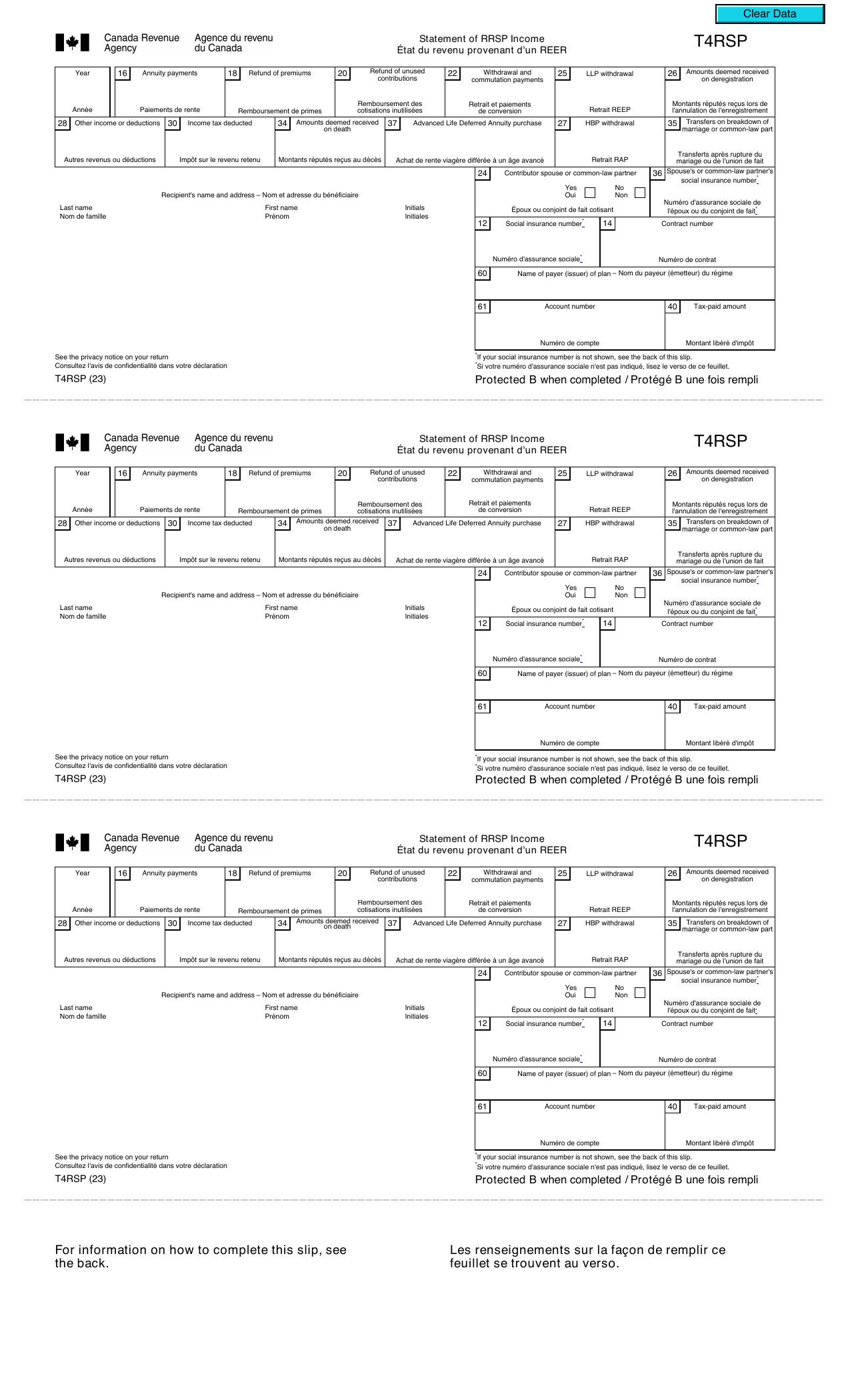
Canada uses a graduated federal tax system. For 2025, the federal brackets are:
Provincial or territorial tax is added on top. In Alberta, for example, the provincial rate on amounts up to $148,269 is 10%, making a combined marginal rate of 25% for income in the lowest federal bracket. Every RRSP withdrawal layers on top of your other income — employment earnings, CPP, OAS, rental income — so timing matters enormously.
Your financial institution is legally required to withhold tax at source before releasing any RRSP funds. The withholding rates set by the CRA are based on the amount withdrawn, not on your actual marginal rate:
| Withdrawal Amount | Withholding Rate (Outside Quebec) | Withholding Rate (Quebec) |
|---|---|---|
| Up to $5,000 | 10% | 5% federal + 14% provincial |
| $5,001 – $15,000 | 20% | 10% federal + 14% provincial |
| Over $15,000 | 30% | 15% federal + 14% provincial |
These withholding rates are not your final tax owing — they are simply a prepayment. When you file your T1 return for the year, the full withdrawal is added to income, and the actual tax is calculated. If your real marginal rate exceeds the withholding rate, you will owe the difference at filing. If it is lower, you will receive a refund.
A common mistake is breaking one large withdrawal into several smaller ones to stay in the 10% withholding bracket. The CRA views this as an attempt to avoid the higher withholding and will treat the entire series as a single withdrawal — subject to the higher rate — if it appears to be part of a pattern.
Two federally approved programs allow you to withdraw RRSP funds without triggering immediate taxation, provided you repay the amounts on schedule:
First-time home buyers (or those who have not owned a principal residence in the past four years) can withdraw up to $60,000 from their RRSP to purchase or build a qualifying home. The amount must be repaid to the RRSP over 15 years beginning the second year after the withdrawal. If you miss a scheduled repayment in any given year, that portion is added to your taxable income for that year.
The LLP allows you to withdraw up to $10,000 per year (to a lifetime maximum of $20,000) to fund full-time education or training for yourself or your spouse. Repayments must begin within two years of finishing school, or five years after the first withdrawal — whichever comes first. Annual repayment is one-tenth of the total withdrawn.
Your RRSP must be converted or collapsed by December 31 of the year you turn 71. You have three options:
RRIF minimum withdrawal rates increase with age. At age 72, the minimum is 5.40% of the January 1 account balance; by age 80 it rises to 6.82%; and at age 95 and older it reaches 20%. All RRIF withdrawals are fully taxable, just like RRSP withdrawals. Unlike RRSP withdrawals, however, Canadians aged 65 and older can qualify for the pension income tax credit on the first $2,000 of RRIF income, which provides a modest federal credit of up to $300.
The RRSP meltdown (also called an RRSP depletion strategy) is a deliberate plan to draw down your RRSP gradually during years when your income is low — typically between retirement and age 65, before CPP and OAS begin — so that you pay tax at a lower marginal rate than you would in later years when government benefits are stacked on top.
Consider a 60-year-old Alberta retiree who has stopped working and has no income other than modest investment income of $10,000. Her federal basic personal amount in 2025 is $16,129, meaning she pays zero federal tax on the first $16,129 of income. She could strategically withdraw $20,000–$25,000 from her RRSP each year, pay tax only at the lowest bracket on the excess, and gradually reduce the account balance before CPP, OAS, and mandatory RRIF withdrawals kick in. The tax she pays at 15%–20% today is far less than the 33%+ she might face at 75 if the RRSP had grown unchecked.
The meltdown can be enhanced by:
RRSP income does not just affect your tax bracket — it affects income-tested programs. Benefits that can be clawed back or reduced by higher RRSP withdrawal income include:
A Calgary couple — both aged 63, both retired — wants to draw $50,000 from the husband's RRSP to renovate their home. Their only other income is $12,000 in non-registered investment income each. If the $50,000 is withdrawn in a single lump sum, it is added entirely to the husband's income ($62,000 total), pushing a large portion into the 20.5% federal bracket and the 10% Alberta bracket — a combined marginal rate of roughly 30.5%. The 30% withholding tax would be taken immediately.
If instead the couple speaks with their adviser at Swift Accounting Ltd. Calgary and splits the strategy into two tax years — $25,000 in December and $25,000 in January — they halve the spike to his income in each year, potentially keeping a larger portion of the withdrawal within the lowest federal bracket. Alternatively, his spouse could withdraw from her own RRSP if she has one, keeping income balanced between them. This kind of straightforward calendar planning can save several thousand dollars in tax with no additional risk.
Yes. There is no minimum age for an RRSP withdrawal. Any amount you take out — other than under the HBP or LLP — is added to your taxable income in full and is subject to mandatory withholding tax. Once withdrawn, that RRSP contribution room is permanently lost; it does not come back.
No. Withholding tax is a CRA-required prepayment collected by your financial institution at the time of withdrawal. Your actual tax owing is calculated when you file your T1 return. If your real marginal rate is higher than the withholding rate, you will owe more at filing. If it is lower, you will receive a refund. Always budget for potential additional tax when planning a large withdrawal.
If you name your spouse or common-law partner as beneficiary, the RRSP can be rolled over to their RRSP or RRIF on a tax-deferred basis — no immediate income inclusion. If you name a financially dependent child or grandchild, certain rollover options are also available. Otherwise, the full fair market value of the RRSP is included in the deceased's income in the year of death and taxed accordingly. Proper beneficiary designations and estate planning are critical.
Contributions to a spousal RRSP are made by one spouse but the account belongs to the other. If the annuitant (the account holder) makes a withdrawal, the attribution rules apply for three calendar years after the most recent contribution: the income is attributed back and taxed in the contributing spouse's hands, not the annuitant's. After the three-year window has passed, withdrawals are taxed in the annuitant's hands — which is the whole point of income-splitting for couples in different tax brackets.
Getting the most out of your RRSP means more than just knowing the rules — it means timing withdrawals to your income picture, coordinating with CPP and OAS, and making sure every dollar you worked hard to save is taxed as lightly as possible. The team at Swift Accounting Ltd. works with Calgary residents and Canadians across the country to build personalized retirement income plans that account for your full tax situation. Contact us today to schedule a consultation and start planning your 2025 and beyond withdrawal strategy with confidence.